020 3744 3778
Cultivating a Thriving Herb Garden from Scratch
Posted on 16/08/2025
Cultivating a Thriving Herb Garden from Scratch: The Ultimate Guide for Beginners
Imagine opening your kitchen window, inhaling the aroma of basil, rosemary, and mint, and snipping fresh leaves for your next meal. Growing a flourishing herb garden from the ground up is a deeply rewarding adventure, offering culinary thrills, health benefits, and a vibrant splash of greenery to your home or yard. Whether you have a sprawling backyard, a tiny balcony, or just a sunny windowsill, cultivating a thriving herb garden from scratch is entirely within your reach.
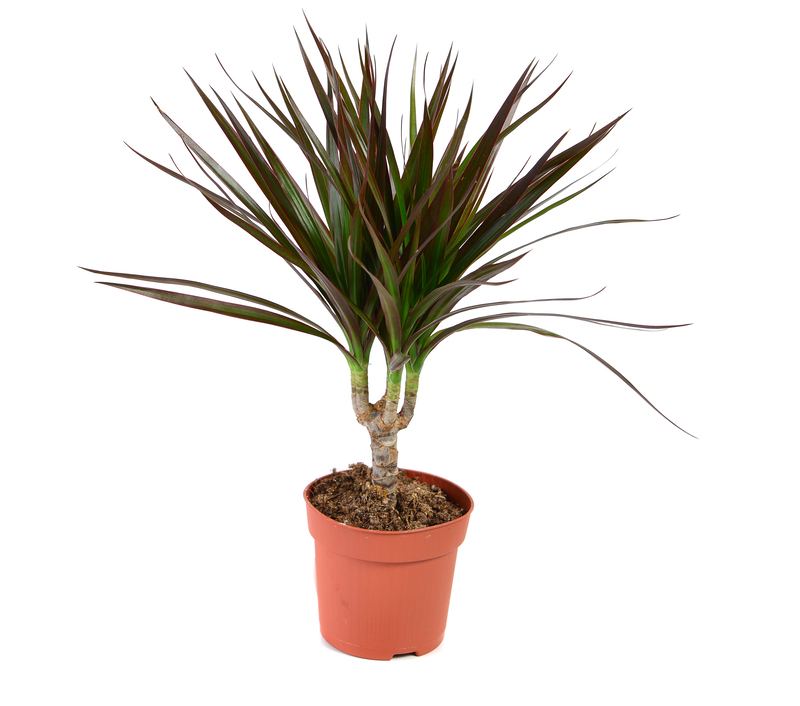
Why Start Your Own Herb Garden?
Learning to grow your own herbs isn't just a hobby--it's a lifestyle upgrade! Here are some compelling reasons to embark on your herb gardening journey:
- Freshness on Demand: Enjoy the unmatched flavor of fresh herbs straight from the plant into your dishes.
- Saves Money: No more spending on expensive supermarket herb bundles that wilt quickly.
- Health & Wellness: Many culinary herbs double as powerful medicinal plants, supporting holistic well-being.
- Eco-Friendly: Lower your carbon footprint by reducing packaging and transportation costs.
- Adds Aesthetic Appeal: Herbs bring delightful fragrance, texture, and color to your living space.
Planning Your Perfect Herb Garden From Scratch
Success in creating a lush, productive herb garden starts with strategic planning. Whether you're an absolute beginner or brushing up on your gardening skills, here's what you should consider:
Assess Your Growing Space
- Outdoor Herb Gardens: If you have a yard, patio, or deck, you can plant herbs directly in the ground or in raised beds and large containers.
- Indoor Herb Gardens: Apartment dwellers, rejoice! Sunny windowsills, hanging baskets, and countertop planters are ideal for herbs grown indoors.
- Vertical Gardens: Maximize small spaces by installing vertical planters, shelves, or pocket gardens on walls or fences.
Sunlight: The Key to a Thriving Herb Plot
Most herbs require at least 6-8 hours of direct sunlight daily. Observe your chosen location throughout the day to ensure consistent exposure. Indoor gardeners: south- or west-facing windows are best.
Selecting the Right Herbs to Grow
Choosing the best herbs for your environment and needs is vital. Here are popular and foolproof choices for beginners:
- Basil: Loves sun and warmth, perfect for summer sauces and salads.
- Mint: An easy grower; ideal for teas, desserts. Keep it in a pot to prevent spreading.
- Parsley: Biennial, will self-seed. Versatile in many dishes.
- Chives: Hardy, perennial, mild onion flavor.
- Rosemary: Woodsy, aromatic, needs well-drained soil and lots of sun.
- Thyme: Tolerates drought, robust flavor for meats and veggies.
- Oregano: Mediterranean favorite, thrives in full sun.
- Cilantro: Grows fast, use in Mexican and Asian cooking.
Essential Steps in Cultivating a Successful Herb Garden
Step 1: Choose Quality Seeds or Healthy Transplants
When starting an herb garden from scratch, decide whether to sow seeds or buy young plants (seedlings).
- Seeds are cost-effective and offer a broader range of varieties.
- Transplants provide a head start and are excellent for a quick harvest.
Step 2: Prepare the Soil or Potting Mix
Herbs demand well-draining, nutrient-rich soil. For garden beds, blend compost into the top 6-12 inches. For containers, choose a high-quality organic potting mix.
- Drainage: To avoid waterlogged roots, incorporate sand or perlite, especially if soil is heavy.
- pH Level: Most herbs prefer slightly acidic to neutral soil (pH 6-7). Test and amend as necessary.
- Container Size: For indoor herb gardens, at least 6 inches deep and wide per herb is ideal.
Step 3: Planting Techniques
Sow seeds according to packet instructions--generally, plant as deep as the seed is wide. Transplants should be set at the same depth as in their nursery pots. Space herbs to allow airflow and sunlight between plants; typically, 6-12 inches apart is adequate.
Step 4: Watering Sensibly
Proper watering is crucial to cultivating robust herbs.
- Do not overwater! Herbs dislike "wet feet." Let the top inch of soil dry out before watering again.
- Consistency is key, especially as seeds germinate and young plants establish.
- Morning watering helps prevent fungal issues.
Step 5: Fertilizing for Growth
Herbs are generally light feeders. Over-fertilizing can reduce their aromatic oils.
- Use organic compost or a diluted liquid seaweed or fish emulsion monthly during active growth.
- For container gardens, replenish nutrients every few weeks, as leaching is common.
Step 6: Mulching & Weed Control
A thin layer of organic mulch (like straw or shredded leaves) helps retain moisture, suppresses weeds, and keeps soil temperatures stable.

Step 7: Pruning and Harvesting for Healthier Growth
Regularly pinching and harvesting your herbs not only supplies your kitchen but stimulates bushier growth.
- Harvest in the morning when essential oils are at their peak.
- Never cut more than one-third of the plant at once.
- Remove flower buds early (unless you want seeds) to keep leaves tasty.
Step 8: Managing Pests and Diseases
Herbs are generally hardy but can attract aphids or spider mites.
- Handpick pests or spray with water.
- Encourage beneficial insects like ladybugs.
- Ensure good air circulation to prevent mildew and fungal diseases.

Tips for Thriving Indoor and Outdoor Herb Gardens
Optimizing Indoor Herb Gardens
- Light: Supplement with LED grow lights if sunlight is insufficient.
- Humidity: Group herbs together, mist occasionally, and avoid drafts.
- Rotate pots weekly to encourage even growth.
- Choose compact varieties suited for containers, such as dwarf basil or parsley.
Boosting Your Outdoor Herb Patch
- Companion Planting: Place aromatic herbs like oregano and thyme near vegetables to deter pests naturally.
- Protection: Provide shelter from heavy rain and strong winds, especially in open or exposed gardens.
- Soil Health: Rotate herbs each year and replenish with compost for sustained fertility.
Advanced Strategies: Elevating Your Herb Garden
Extending the Growing Season
- Use cold frames, row covers, or greenhouses to protect herbs in early spring and late fall.
- Grow herbs like chives or parsley under lights indoors during winter.
Propagating More Herbs from Cuttings
- Many herbs, such as mint, rosemary, and oregano, root easily from cuttings.
- Snip a healthy stem, remove lower leaves, and root in water or moist soil.
Drying & Storing Your Harvest
- Bunch and hang herbs in a cool, dry place out of sunlight.
- Strip and store dried leaves in airtight jars for winter use.
Troubleshooting Common Herb Gardening Challenges
Even seasoned gardeners encounter setbacks. Here's how you can solve the most common woes:
- Pale Leaves: Indicates a need for nutrients or more sunlight. Fertilize lightly and relocate if indoors.
- Leggy Growth: Caused by insufficient light. Trim stems and improve lighting.
- Yellowing or Wilting: Usually due to overwatering. Check pot drainage and let the soil dry out.
- Poor Germination: Check seed freshness and maintain consistent warmth and moisture.
Creative Herb Garden Ideas to Try
- Container Herb Towers: Stack pots or planters vertically for a lush, space-saving display.
- Themed Windowsill Gardens: Italian (basil, oregano, parsley), or Tea (mint, lemon balm, chamomile).
- Herb Spiral: Build a spiral mound in your garden, using rocks or bricks, for attractive, layered planting.
- Mason Jar Herb Planters: Eco-chic and perfect for apartments.
Conclusion: Savor Your Homegrown Success
Starting a thriving herb garden from scratch is an incredibly fulfilling pursuit that blends beauty, flavor, and sustainability. By understanding the fundamentals--selecting suitable herbs, preparing soil, giving the right care, and harvesting wisely--you'll enjoy a continual supply of fresh, aromatic herbs year-round.
So, why wait? Armed with these essential tips and strategies, dig your hands into the soil and begin your journey to cultivate a vibrant, productive, and nourishing herb garden from scratch. Your kitchen--and tastebuds--will thank you!
Further Reading:
- University Extension: Growing Herbs in Your Home Garden
- Texas A&M: Herb Gardening Guide (PDF)
- Modern Farmer: How to Start Your Own Herb Garden
Latest Posts
Creating a Tranquil Zen Garden for Your Outdoor Sanctuary
Top 9 Rapidly Flourishing Hedges for Enhanced Privacy
Exploring the Art and Beauty of Vertical Gardening