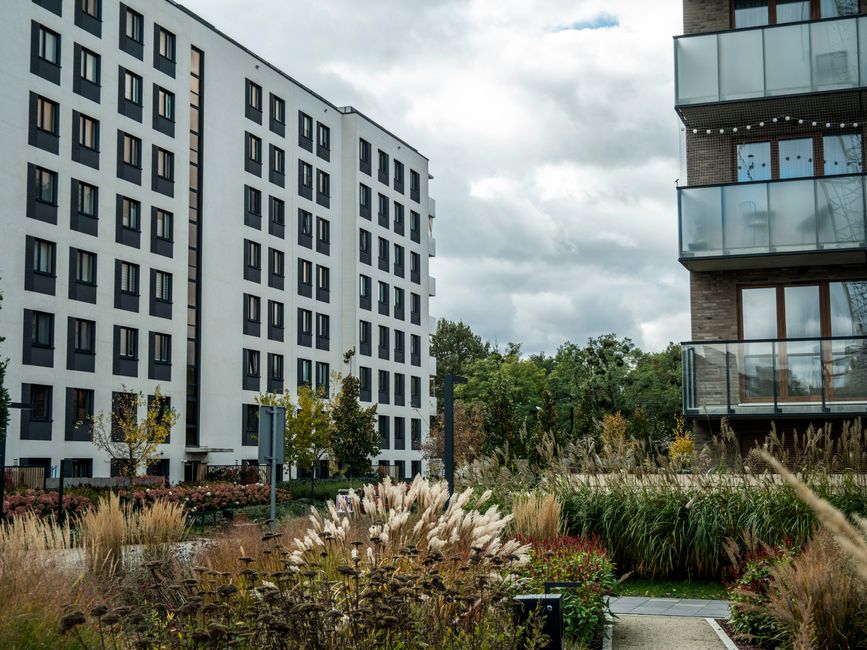
NW9 gardeners for Grahame Park balcony and communal area care
Balcony planting and communal space upkeep sound simple until you're the one dealing with wind-blasted pots, tired shrubs, slippery paving, overflowing planters, and residents who all want the shared area to look neat but don't all want the same thing. That's exactly where NW9 gardeners for Grahame Park balcony and communal area care become genuinely valuable. The work is part horticulture, part safety, part diplomacy, and, if we're honest, part damage control on a wet Tuesday morning when a planter has tipped over again.
This guide explains what professional care usually includes, how a sensible maintenance routine works in a real housing environment, and what to look for if you want the space to stay attractive without becoming high-effort. You'll also find practical checklists, common mistakes to avoid, and a straightforward way to judge whether the balance is right for your building, residents, and budget.
Why NW9 gardeners for Grahame Park balcony and communal area care Matters
Balconies and communal areas ask different things of a gardener than a private back garden does. A balcony is often compact, exposed to more wind, and limited by weight, drainage, and neighbour considerations. A communal area, by contrast, has to look good for lots of people while staying safe, accessible, and easy to maintain. That combination can get messy quickly if it is left to chance.
In Grahame Park, as in many NW9 residential settings, the standards people notice are surprisingly small: a clean edge, healthy planting, no weeds in the joints, no dead leaves gathering by the lift entrance, and no planters blocking a route. These details matter because shared outdoor space sends a message. It tells residents, visitors, and prospective tenants whether the property feels cared for.
There's also a practical side. Poor balcony care can lead to overwatering, damp staining, blocked drainage, unstable pots, and stressed plants that need replacing far too often. Poor communal care can create slip risks, trip hazards, pest-friendly debris, and the kind of "somebody should deal with that" feeling that puts everyone off using the space. That's not just untidy. It's avoidable.
Good garden care in shared settings is therefore less about making things fancy and more about making them reliable. A well-run routine keeps the space pleasant through the seasons and reduces the chance of bigger repairs later. A little steady attention goes a long way, to be fair.
How NW9 gardeners for Grahame Park balcony and communal area care Works
Professional balcony and communal area care usually begins with a walk-through. The gardener looks at the condition of the planting, access points, surfacing, drainage, sunlight, shade, wind exposure, and any rules that affect the site. On a balcony, that might mean checking how much direct sun the space gets and whether lightweight containers are needed. In a communal area, it can mean identifying corners that collect litter, puddles, or self-seeded weeds.
From there, the work is planned around the site's real rhythm. Weekly or fortnightly visits may suit high-use spaces, while lower-use blocks sometimes need a lighter schedule with seasonal visits layered in. A good plan usually covers watering, pruning, deadheading, weeding, feeding, pest checks, leaf clearance, and the tidy-up tasks that keep things looking finished rather than half-done.
Many balconies benefit from container-based planting, because containers can be moved, refreshed, or replaced without disturbing the whole area. If you want to understand that approach better, the guide to container gardening is a useful starting point. Communal areas, meanwhile, often need a broader maintenance style, sometimes supported by routine garden maintenance and occasional specialist tasks such as patio cleaning or lawn care if the shared space includes those elements.
The key is coordination. The best results come when the gardener, residents, and property manager all understand what is being maintained, how often, and what should happen if a plant fails, weather turns ugly, or access is temporarily restricted. Clear expectations save a lot of awkwardness later. Quite a lot, actually.
Key Benefits and Practical Advantages
There are obvious visual gains, of course. Tidy, healthy planting makes a building feel more welcoming. But the real advantages go deeper than curb appeal.
- Safer shared spaces: Reduced leaf build-up, fewer slippery patches, and less clutter around walkways.
- Better plant survival: Balcony plants especially benefit from sensible watering, wind protection, and seasonal feeding.
- Lower long-term cost: Routine care often prevents the need for large-scale replanting or reactive repairs.
- Improved resident satisfaction: People notice when a shared space feels calm and looked after.
- More usable outdoor space: A communal area that feels clean and inviting gets used more often.
- Consistency through the year: Weather changes fast in London. A proper plan prevents the space from swinging between overgrown and bare.
There's a quiet psychological benefit too. A neat balcony outside a flat can make a small home feel more open. A well-kept communal courtyard can soften the feel of a block and give residents somewhere to pause with a coffee, chat with neighbours, or simply breathe for a minute.
If your aim is to create a warmer shared environment, a few ideas from creating an inviting outdoor space can translate surprisingly well to residential balconies and common areas. The same principles apply: structure, comfort, and planting that suits the setting rather than fighting it.
Who This Is For and When It Makes Sense
This kind of care is useful for landlords, managing agents, resident associations, housing blocks, leaseholder groups, and any property owner responsible for shared outdoor areas. It is also relevant for smaller developments where balconies are used heavily and a few neglected planters can quickly make the whole frontage look tired.
It makes particular sense when:
- the balcony planting keeps failing because of wind, heat, or overwatering;
- residents want the area improved but no one has time to manage it;
- the communal area includes mixed surfaces, planters, edging, or seasonal colour beds;
- the outdoor space is part of a first impression for visitors or prospective residents;
- there are recurring issues with weeds, litter, or plant decline;
- access routes must remain clear and safe at all times.
It's also a strong option if you are trying to make a space lower maintenance without stripping it bare. That balance matters. Some people assume "easy care" means no planting at all, but that's rarely the answer. Better to choose resilient plants and build a realistic schedule. If you need ideas, the article on budget-friendly low-maintenance garden designs is worth a look.
Truth be told, this service is often requested after a problem has already shown itself: a balcony has become cluttered, a shared bed is patchy, or one of those "we'll sort it next week" jobs has quietly become a monthly nuisance. Nothing wrong with that. It happens.
Step-by-Step Guidance
Here is how a sensible balcony or communal care plan usually unfolds in practice.
- Assess the space. Measure the area, note sunlight, shade, wind, drainage, and access. On balconies, check weight sensitivity and water runoff.
- Define the outcome. Is the priority visual appeal, resident use, low maintenance, safety, or all four? Be clear up front.
- Choose the right planting style. Containers, raised planters, evergreen structure, seasonal colour, or a mixed scheme can all work depending on exposure.
- Create a maintenance timetable. Decide what needs weekly, monthly, and seasonal attention. Watering alone is not enough.
- Put safety first. Keep routes clear, secure heavy pots, remove broken items, and avoid anything that can topple in strong wind.
- Carry out the maintenance visits. This includes pruning, feeding, deadheading, weed removal, and cleaning up leaves or debris.
- Review what is working. If a plant is constantly struggling, replace it with something more suitable instead of nursing a lost cause forever.
A practical example: a north-west facing balcony in NW9 may look lovely in spring, then turn into a windy, dry challenge by midsummer. A gardener might swap thirsty displays for sturdier containers, add wind-tolerant planting, and reduce the number of pots so watering becomes manageable. Small change, big difference.
For people who prefer visual structure, vertical gardening ideas can help a balcony feel greener without eating up floor space. And if a shared area needs more definition, you might also look at privacy planting ideas for boundary softening, where appropriate.
Expert Tips for Better Results
Small decisions make the biggest difference in shared outdoor spaces. A few field-tested habits keep things looking good for much longer.
- Match plants to exposure first, style second. A plant that likes still, sheltered air will sulk on a windy balcony, no matter how pretty it was in the nursery.
- Use the right containers. Lightweight but sturdy planters are often better than decorative heavy pots that stress the structure or are awkward to move.
- Build in drainage. Standing water is trouble. It smells bad, looks worse, and weakens roots.
- Keep a consistent line. In communal areas, straight edges and clean transitions between planted and hard surfaces make the whole site feel more polished.
- Feed sparingly but regularly. Overfeeding can create lush growth that collapses fast, especially on exposed balconies.
- Choose evergreen structure carefully. It helps the area look purposeful during winter, when a lot of seasonal planting gives up the ghost.
If the space gets hit by harsh weather, it pays to think ahead rather than react. The advice in guarding your garden against harsh weather is especially relevant for exposed upper-floor spaces. Likewise, smart solutions for windy gardens can translate neatly to balcony environments where gusts are the main enemy.
One more thing: if a communal scheme includes herbs or sensory planting near a seating area, keep maintenance realistic. Rosemary in a dry corner may thrive; basil in the same spot probably will not. Nature has opinions. Loud ones.
Common Mistakes to Avoid
Most balcony and communal care problems come from the same few missteps. The good news is they're easy to avoid once you know what to watch for.
- Using too many pots. More containers can mean more mess, more watering, and more failure points.
- Ignoring wind exposure. A display that looks fine at ground level can behave very differently on a higher balcony.
- Choosing plants for looks only. If the plant cannot tolerate the microclimate, it becomes expensive decoration.
- Leaving dead material in place. Faded bedding, brown leaves, and rotting stems drag the whole space down.
- Overcomplicating the design. In shared settings, simple and repeatable is usually better than exotic and fragile.
- Skipping access planning. A maintenance routine fails fast if the gardener cannot reach key areas safely and easily.
We also see people underestimate weed pressure in communal settings. Even a tidy courtyard can pick up weeds in paving cracks, at fence lines, or around the base of containers. A calm, routine approach to weed management saves a lot of scrubbing later.
And don't forget seasonal timing. Waiting until everything looks dreadful and then doing a "big clean" is tempting, but it often just creates more waste and more plant stress. Little and often tends to win.
Tools, Resources and Recommendations
For balcony and communal care, the best tools are the ones that make the job easier without causing clutter. You do not need a van full of kit to keep a space tidy. A focused set is better.
| Tool or resource | Why it helps | Best used for |
|---|---|---|
| Lightweight watering can or hose attachment | Makes watering controlled and less messy | Balconies and small planters |
| Hand pruners and snips | Useful for deadheading and light shaping | Flowers, herbs, soft growth |
| Stiff broom and leaf scoop | Quickly clears debris from paved areas | Communal paths and terraces |
| Quality compost and feed | Supports healthy growth in containers | Seasonal planting and long-term pots |
| Weather-appropriate plant selection | Reduces plant loss and maintenance churn | Exposed balconies and mixed-light areas |
For a wider look at what a gardener may use on site, the article on essential outdoor gardening tools is a handy companion. If sustainability is a priority for your building, you may also find value in sustainable gardening practices and turning organic waste into compost.
For plant selection, useful references include ground cover planting ideas for larger communal edges and shade-loving climbers where there's vertical support and enough room. The right choice is often the boring one that keeps performing. Which, in gardening, is not boring at all.
Law, Compliance, Standards, or Best Practice
Shared outdoor areas come with responsibilities. While every property is different, good practice in the UK generally means keeping communal routes clear, preventing avoidable hazards, and maintaining the space in a way that does not create nuisance for residents or neighbours.
That means a few things in plain English:
- do not let planters or furniture obstruct walkways or access points;
- make sure containers are stable and not likely to fall or spill;
- keep surfaces reasonably free from slippery organic build-up;
- manage waste, debris, and cuttings promptly;
- use safe working methods when handling tools, heights, or shared access areas.
Property managers will often want evidence that the contractor works carefully and consistently. That is where clear procedures matter. It can be worth reviewing a provider's health and safety policy, insurance and safety information, and terms and conditions before work begins. If you are comparing payment structures, payment and security details may also be useful.
For resident-facing spaces, accessibility matters too. It's not only about legal wording; it's about whether a person can actually move through the area without hassle. A well-maintained communal garden should feel usable, not decorative in a way that gets in the way. If there is any uncertainty about responsibilities in your building, it is sensible to ask for clarification rather than assume. That avoids headaches. And complaints.
Options, Methods, or Comparison Table
Not every Grahame Park balcony or communal area needs the same maintenance style. Here's a practical comparison of the most common approaches.
| Approach | Best for | Pros | Watch-outs |
|---|---|---|---|
| Container-led balcony care | Small private balconies and terraces | Flexible, tidy, easy to refresh | Needs regular watering and wind-aware planting |
| Seasonal communal planting | Shared entrances, courtyards, and feature beds | Strong visual impact with planned updates | Can look tired if displays are not changed in time |
| Low-maintenance evergreen scheme | Sites with limited upkeep access | Reliable year-round structure | Needs careful plant choice to avoid looking flat |
| Mixed hardscape and planting care | Communal areas with paving, seating, and pots | Balanced, practical, user-friendly | Requires coordinated cleaning and garden maintenance |
For many buildings, the best answer is a mixed method: a solid structural planting base, a few seasonal highlights, and dependable cleaning or trimming around it. If boundaries are part of the brief, hedge trimming and even fencing-related works may become relevant for larger shared spaces.
The wrong approach is usually the one that looks impressive for two weeks and then becomes a maintenance burden. Pretty, but fragile, has a short life in communal landscaping.
Case Study or Real-World Example
Imagine a residential block in NW9 with a small row of first-floor balconies and a shared ground-level courtyard. The balconies have assorted pots that were added over time, while the courtyard has a few beds, some paving, and a couple of tired shrubs. Nothing is broken, exactly. But the whole space feels a bit forgotten.
A sensible gardener would not start by tearing everything out. First, they would clear the dead growth, remove the worst weeds, and check which planters are salvageable. Then they might reduce the number of containers on the balconies, replacing thirsty, fragile plants with more weather-tolerant choices. In the courtyard, they could tidy edges, refresh mulch, and create a repeating planting structure so the area looks intentional rather than random.
After that, the routine matters most. A short monthly visit for general tidy-up, combined with seasonal resets and weather checks, keeps the space moving in the right direction. No drama. No overcomplication. Just steady care.
We've seen this kind of approach change how residents use the space. People start stepping outside more often. A bench gets used. Someone waters a plant because they feel it belongs to the place. That's the quiet success of good communal gardening: it turns "shared space" into "our space".
Practical Checklist
Use this checklist before booking or planning balcony and communal area care.
- Check how much sun, shade, and wind each area gets.
- Identify which surfaces need cleaning or moss/debris removal.
- Confirm access routes, gates, lift areas, and storage points.
- List any resident concerns: allergies, pets, noise, or access timing.
- Decide whether the priority is visual impact, low maintenance, or both.
- Review plant condition and note what must be replaced.
- Ask how waste and cuttings will be removed.
- Make sure planters are stable and suitable for exposed conditions.
- Confirm maintenance frequency and seasonal review dates.
- Check the provider's safety, insurance, and complaints information.
Before you go further, it also helps to think about the atmosphere you want. A compact balcony may benefit from softer lines and seating suggestions from inviting seating area ideas, while a shared courtyard might need a calmer, more restful feel inspired by creating a tranquil outdoor sanctuary.
And if the site has become a bit of a jungle, don't panic. A phased reset is usually better than a heroic one-off clean-up. More sensible. Less exhausting.
Get a free quote today and see how much you can save.
Conclusion
NW9 gardeners for Grahame Park balcony and communal area care are about more than keeping things neat. They help shared spaces stay safe, pleasant, and genuinely usable, which is what residents usually want in the first place. The best maintenance plans are calm, realistic, and matched to the site rather than forced onto it.
If you get the planting right, respect the exposure, keep access clear, and stay consistent with the upkeep, the whole space starts to work better. It looks better, feels better, and creates far fewer problems in the background. That's the real win.
If you're looking at a balcony that keeps struggling or a communal area that never quite settles, the next step is simply to get a proper assessment and decide what level of care will actually hold up through the seasons. Not perfect. Just properly managed. That's enough, and often more than enough.
Frequently Asked Questions
What does balcony and communal area garden care usually include?
It usually includes watering, pruning, deadheading, weed removal, leaf clearance, seasonal planting changes, plant health checks, and light cleaning around the space. In communal areas, it may also include edging, container upkeep, and keeping paths and entrances clear.
How often should a Grahame Park balcony be maintained?
That depends on exposure and planting, but many balconies need at least occasional attention between professional visits, especially in warm or windy weather. High-maintenance displays may need weekly care, while simpler container schemes can often work with a lighter schedule.
Are balcony plants harder to look after than garden plants?
Usually, yes. Balconies tend to be windier, drier, and more exposed than ground-level beds. That means plants dry out faster and may need more careful selection. The upside is that containers can be changed quickly if something is not working.
What plants work best in communal residential spaces?
The best plants are generally hardy, tidy, and not too demanding. Evergreen structure, reliable perennials, and seasonal colour that suits the light levels are all sensible choices. The exact selection should match the site's conditions rather than just the look you want on day one.
Can communal area care help reduce complaints from residents?
Yes, very often. A neat, predictable maintenance routine reduces issues like overgrowth, debris, unpleasant smells from stagnant planters, and blocked access routes. It also gives residents confidence that the space is being looked after instead of being left to chance.
What are the biggest risks in balcony gardening?
The main risks are wind damage, poor drainage, unstable pots, overwatering, and choosing plants that cannot cope with the exposure. On higher balconies, weight and safety also matter, so container choice and placement should be considered carefully.
Do communal areas need different care from private balconies?
Yes. Communal areas need more coordination because lots of people use them, and the standard has to be safe as well as attractive. Balconies are more personal and compact, so the focus is usually on manageable planting, drainage, and making the most of limited space.
How do I keep a balcony low maintenance without making it bare?
Use fewer but better containers, choose hardy plants, and create a repeatable planting structure. Evergreen elements, tough perennials, and one or two seasonal highlights can look far better than lots of fiddly pots that constantly need rescue.
Should communal planting include seating or decorative features?
It can, if the space allows and if those features do not interfere with access or safety. Seating should be practical and easy to maintain. Decorative features should be simple enough to keep clean and stable in all seasons.
How do I know if the site needs a one-off tidy-up or ongoing care?
If the issues are mainly leaves, weeds, tired growth, or clutter, a one-off reset may help. If the same problems keep returning, ongoing care is usually the better choice. In shared spaces, steady maintenance tends to cost less in the long run than repeated reactive fixes.
What should I ask before booking a gardener for communal care?
Ask about visit frequency, waste removal, plant replacement, insurance, health and safety procedures, and how they handle access to shared spaces. It's also worth asking how they adapt maintenance for wind, shade, or awkward drainage conditions.
Is sustainable gardening realistic in a residential block?
Yes, very much so. It can mean composting green waste where appropriate, choosing resilient plants, reducing water waste, and avoiding unnecessary replacements. Sustainable choices often make the space easier to manage as well as kinder to the environment.